


ADHD and Emotional Regulation: How to Help Your Teen Stay Calm Under Pressure in Southern California
- Tynan Mason at Higher Grounds Management

- Dec 8, 2025
- 4 min read
Written by Tynan Mason of Higher Grounds Management
Why Do Teens With ADHD Struggle to Stay Calm?
If you’re a parent of a teen with ADHD, you’ve probably seen it: small frustrations turning into big reactions, tears over feedback, or outbursts that seem to come from nowhere. These moments can leave parents feeling helpless and teens feeling misunderstood.
The truth is, emotional dysregulation is one of the most overlooked aspects of ADHD. It’s not just about attention or hyperactivity — it’s about how the brain manages emotions, stress, and impulse control.
At Journey Home, we work with families across the South Bay to help teens with ADHD learn emotional regulation in real-life environments — their homes. Through in-home coaching and therapy, we help transform emotional intensity into self-awareness and resilience. Contact us today to learn how we can help your family.
What Is Emotional Dysregulation?
Emotional dysregulation means having difficulty managing emotional responses to stress, disappointment, or conflict. Teens with ADHD may feel emotions more strongly and have trouble calming down once upset.
This happens because ADHD affects the brain’s prefrontal cortex — the area responsible for self-control, focus, and regulation. As a result, teens might:
Overreact to minor frustrations
Struggle to “cool down” after arguments
Feel easily embarrassed or criticized
Lash out, shut down, or withdraw when overwhelmed
Apologize later, unsure why they reacted so strongly
It’s not about disrespect or defiance. It’s about learning to manage emotions their brain feels more intensely than others.
How Emotional Dysregulation Impacts Daily Life
Emotional regulation issues can affect every part of a teen’s world:
At Home
Arguments over simple requests (homework, chores, screens) escalate quickly.
Parents feel they’re “walking on eggshells.”
Siblings may withdraw or mimic emotional reactions.
At School
Teens may misinterpret feedback from teachers.
They can become anxious or avoid tasks they associate with failure.
Group projects or peer interactions may cause overwhelm.
Internally
Teens often feel guilt or shame after emotional outbursts.
They may think, “Something’s wrong with me,” leading to low self-esteem.
The good news? Emotional regulation is a skill — and like any skill, it can be taught, practiced, and strengthened over time.
How Can Parents Help Teens Build Emotional Regulation Skills?
1. Model Calm Responses
Your teen’s nervous system mirrors yours. When you stay calm during emotional moments, you model self-regulation. Speak in a steady voice, take a pause before reacting, and focus on connection instead of correction.
2. Teach the Pause
Help your teen practice “the pause” — a brief moment between feeling and reacting. It can be as simple as counting to five, taking a deep breath, or stepping into another room. Over time, this short space builds emotional control.
3. Identify Triggers
Notice what tends to set off emotional reactions. Is it criticism? Change in routine? Overstimulation? Once identified, you can help your teen plan ahead for those moments with coping tools.
4. Use Replacement Thoughts
When frustration builds, teach your teen to replace reactive thoughts like “I can’t do this” with “This is hard, but I can take a break and try again.” Shifting self-talk can significantly reduce emotional intensity.
5. Celebrate Emotional Wins
Progress might look like shorter meltdowns, calmer communication, or improved recovery time after frustration. Acknowledge these wins — they build confidence and motivation.
How Higher Grounds Management Teaches Emotional Regulation
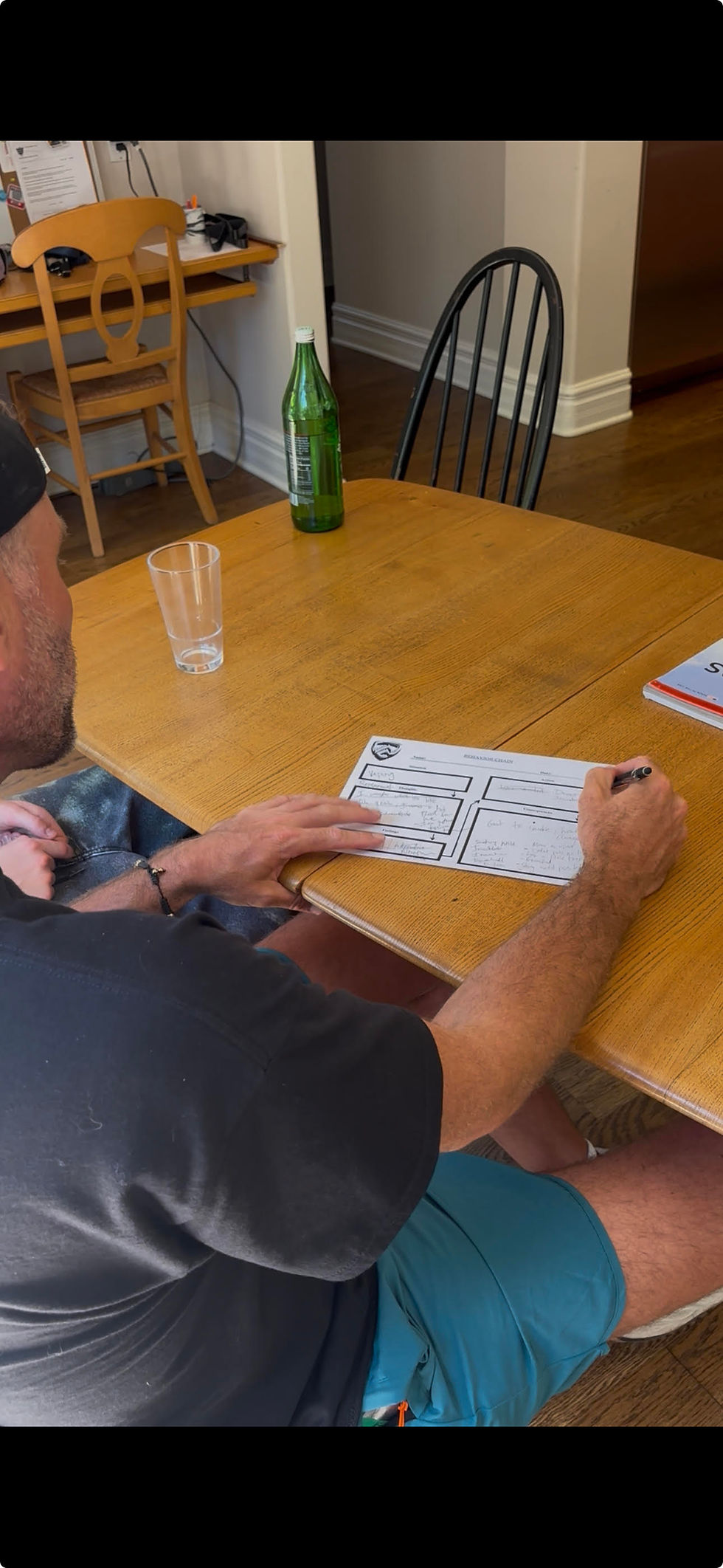
At Journey Home, we believe emotional growth happens where life happens — at home. Our in-home sessions teach teens to manage emotional reactions in real time, using structure and accountability to reinforce progress.
Our approach includes:
Emotional intelligence training: Recognizing emotions before they take control.
Coping strategies: Breathing, mindfulness, movement, and reframing techniques.
Behavioral reinforcement: Using consistent systems for accountability and reward.
Parent coaching: Helping parents respond to dysregulation with calm consistency.
Real-life practice: Addressing challenges like homework stress, sibling conflict, and screen-time limits as they occur.
By blending emotional education with behavioral structure, we create change that feels practical, not theoretical.
Why Families in the South Bay Choose Journey Home
Families in Redondo Beach, Manhattan Beach, Hermosa Beach, Torrance, Palos Verdes, and Rolling Hills choose Higher Grounds because we combine heart and structure.
Our sessions are not about labeling emotions — they’re about teaching your teen how to work with them. Through this process, families experience fewer arguments, calmer communication, and stronger relationships built on mutual respect.
What’s the First Step to Helping Your Teen Stay Calm Under Pressure?
If emotional ups and downs are taking a toll on your teen — and your family — it’s time to take action. Emotional regulation is possible with the right tools, consistency, and support.
Let’s work together to help your teen move from reactivity to resilience — and bring peace back to your home.
If you’re in Manhattan Beach, Hermosa Beach, Redondo Beach, El Segundo, Torrance, Rolling Hills, Rancho Palos Verdes, Newport Beach, Corona Del Mar or anywhere in Orange County, Journey Home is here to help. We also offer virtual support and therapy to families nationwide.
We’re here to help—in your home or virtually. Contact us today to get started.
Written by Tynan Mason of Higher Grounds Management



Comments