


The Comfort Zone Trap: Why Doing Hard Things Builds Confidence and Emotional Strength
- Tynan Mason at Higher Grounds Management

- Nov 8, 2025
- 4 min read
Written by Tynan Mason of Higher Grounds Management
Why Is It So Hard for Teens to Do Hard Things?
If your teen avoids challenges, procrastinates, or shuts down when things get uncomfortable, they’re not lazy — they’re stuck in the comfort zone trap.
In today’s world of instant gratification and constant convenience, discomfort feels unfamiliar — even threatening. But here’s the truth: emotional growth and confidence don’t happen inside the comfort zone. They’re built in the space just beyond it, where challenge meets courage.
At Journey Home, we help teens and young adults across Redondo Beach, Hermosa Beach, Manhattan Beach, Torrance, and Palos Verdes push past fear and build confidence through consistent, real-world action. Contact us today to learn how we can help your teen grow stronger — one “hard thing” at a time.
What Is the Comfort Zone Trap?
The comfort zone is the place where everything feels safe, predictable, and easy. There’s no risk of embarrassment, rejection, or failure — but there’s also no growth.
When teens avoid challenge, they unknowingly strengthen the part of the brain that seeks short-term comfort over long-term success. This avoidance pattern trains the mind to associate discomfort with danger, creating a cycle of hesitation, self-doubt, and missed opportunities.
Real growth begins when we step into the stretch zone — the space that feels slightly uncomfortable but not overwhelming. That’s where confidence is built.
Why Doing Hard Things Matters for Mental Health
Our brains are wired for adaptation. When we push through difficulty, even in small ways, we strengthen neural pathways responsible for problem-solving, focus, and emotional regulation.
Here’s what happens when teens challenge themselves:
Courage increases. The brain learns that fear isn’t fatal — it’s feedback.Confidence grows. Success becomes about effort, not perfection.
Resilience strengthens. Each challenge makes future discomfort easier to face.
Emotional balance improves. Teens learn to tolerate stress instead of avoiding it.
Doing hard things isn’t about pressure — it’s about preparation for real life.
The Neuroscience of Growth Through Challenge
When we face discomfort, our brain releases stress chemicals like cortisol and adrenaline. Over time, consistent exposure to manageable challenges teaches the brain that it can handle these sensations without shutting down.
This process — called neuroadaptation — rewires emotional regulation pathways, leading to:
Better frustration tolerance
Improved focus under pressure
Healthier responses to failure
Greater persistence toward goals
The more teens practice doing hard things, the more their brain learns: “I can handle this.”
How to Help Teens Step Outside Their Comfort Zone
1. Start Small — Baby Hard Things
Growth starts with manageable discomfort. Encourage your teen to try something that feels just a little hard:
Speaking up in class
Trying a new activity
Making a phone call on their own
Owning a mistake without excuses
Each “baby hard thing” strengthens emotional muscles for bigger challenges later.
2. Normalize Discomfort
Remind your teen that feeling nervous, scared, or uncomfortable is a normal part of growth — not a sign to stop.
“It’s okay to feel uncomfortable. That means you’re stretching.”
3. Reframe Fear Into Effort
Instead of saying “I can’t,” encourage “I’ll try.” The goal isn’t to eliminate fear — it’s to move forward with it.
4. Celebrate Process, Not Perfection
When your teen takes a step — even a small one — celebrate it. This reinforces courage over outcome.
“I’m proud you tried something new today.”
5. Model the Behavior
Teens notice when parents challenge themselves, too. Share moments when you’ve done hard things — even small ones — to show that growth never stops.
How Journey Home Builds Confidence Through Action
At Journey Home, we combine mindset coaching with behavioral structure to help teens translate emotional insight into tangible progress.
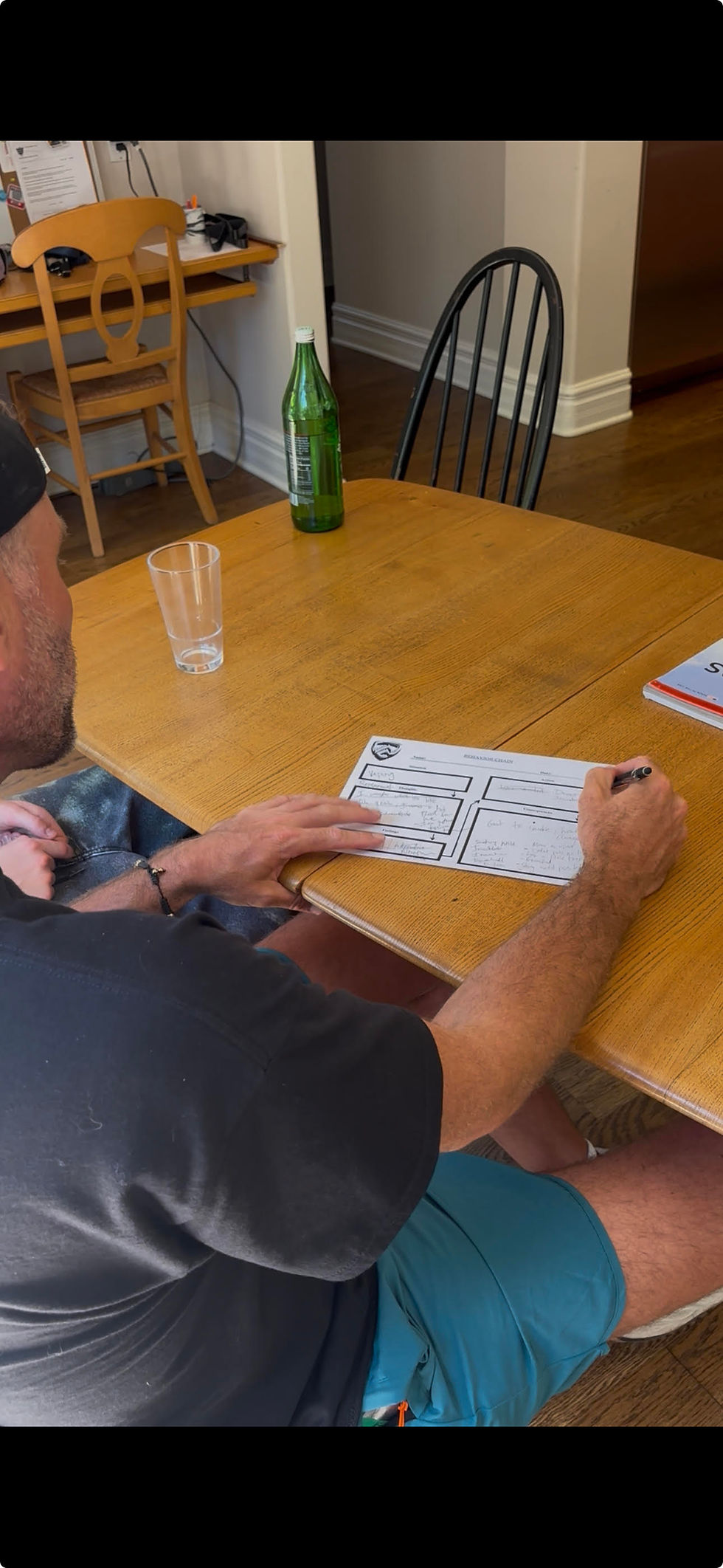
Through in-home sessions, our team helps families identify avoidance patterns, replace fear-based habits, and build confidence through small, structured challenges.
Our approach includes:
Mindset reframing: Teaching teens to see fear as feedback, not failure.
Goal scaffolding: Breaking big goals into achievable steps.
Accountability coaching: Ensuring follow-through and consistency.
Emotional regulation tools: Managing stress during challenges.
Parent collaboration: Reinforcing encouragement and healthy limits at home.
By helping teens practice courage in their natural environment, we create real, lasting change — not temporary motivation.
Why Families in the South Bay Trust Journey Home
Families in Manhattan Beach, Redondo Beach, Hermosa Beach, Torrance, and Palos Verdes choose Higher Grounds because we meet teens where growth actually happens — in real life.
Our goal isn’t just to talk about change — it’s to help teens experience it firsthand. Whether it’s tackling schoolwork, social challenges, or emotional regulation, every “hard thing”
becomes a building block for lifelong strength and confidence.
What’s the First Step to Helping Your Teen Grow?
Growth doesn’t happen overnight — it happens through small, consistent acts of courage.One step at a time. One “hard thing” at a time.
Because doing hard things is how we become strong, grounded, and resilient humans.
Let’s help your teen build the confidence that only comes from experience.
If you’re in Manhattan Beach, Hermosa Beach, Redondo Beach, El Segundo, Torrance, Rolling Hills, Rancho Palos Verdes, Newport Beach, Corona Del Mar or anywhere in Orange County, Journey Home is here to help. We also offer virtual support and therapy to families nationwide.
We’re here to help—in your home or virtually. Contact us today to get started.
Written by Tynan Mason of Higher Grounds Management



Comments